
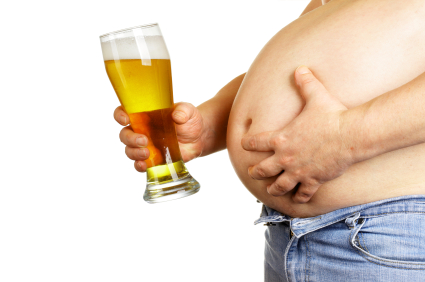
“It takes only one drink to get me drunk. The trouble is, I can’t remember if it’s the thirteenth or the fourteenth.” – George Burns
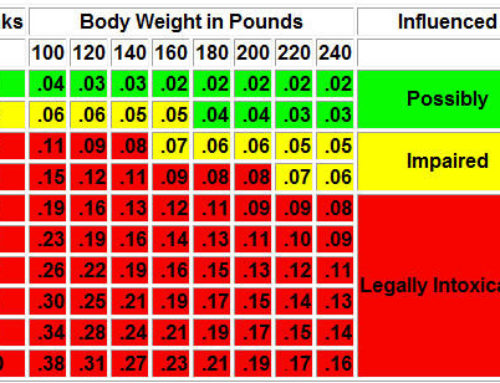
Most drinkers don’t know when their drunk, or should I say, at what point they officially became drunk. Definitely not the first beer, probably not the second beer, but maybe the third or fourth. There were external factors that contributed to the drunkenness.
- Were they eating?
- Were they drinking fast?
- Were they dancing (and therefore sweating it out)?
- Were they recovering from a hangover?
The average American drinks 2 gallons of alcohol per year. Of course that is taking into account the large number of people who don’t drink.

So you would think that with that much experience in drinking, individuals could identify when and how they were drunk.
But they can’t and that’s the affect of alcohol! You never know when and how it will hit you.
Alcohol is absorbed primarily in the small intestine, with only 20 percent absorbed in the stomach. Absorption and its effect depends on the concentration of alcohol, the type of beverage (carbonation enhances absorption), and whether the person was drinking on an empty stomach. Once absorbed, the alcohol enters the bloodstream, mixing with the water in the blood, and dissipating into the organs.
Once absorbed into the body, it is the function of several organs to get rid of the toxins. The kidneys work to eliminate the alcohol in the urine. The lungs try to eliminate the alcohol through your breathing, and the liver tries to break it down. Your organs are working overtime to get rid of the stuff, while you are working overtime to get it into your body.
GUESS WHO PAYS THE PRICE?



Recent Comments